
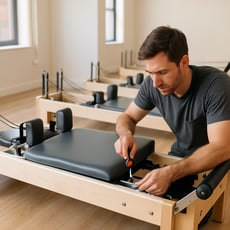
Regular and thorough maintenance of your folding reformer Pilates machine is crucial for ensuring safety, operational efficiency, and investment longevity. Neglecting maintenance can have significant consequences, including increased safety risks (such as component failure or user injury), escalating repair costs due to worsened wear, shortened equipment lifespan, reduced performance, and in some cases, voiding your manufacturer warranty. This guide provides extensive, actionable steps to help you avoid these outcomes and ensure your equipment remains in optimal condition.
❓Why Maintenance Matters❓
Before proceeding with task lists, it is important to understand that failure to maintain your reformer can result in:
- Compromised Safety: Worn or unstable parts may give way during exercise, potentially causing injury.
- Premature Wear and Breakdown: Dirt, misalignment, or lack of lubrication will accelerate deterioration.
- Expensive Repairs and Replacement: Ignoring small problems can develop into major faults requiring costly repairs or total replacement.
- Reduced Exercise Quality: A poorly maintained reformer can feel stiff, noisy, or unstable, diminishing your Pilates experience.
- Warranty Limitations: Evidence of poor or inconsistent maintenance can void warranties, leaving you unprotected if failure occurs.
🌅Daily Maintenance Tasks🌅
- Wipe Down Surfaces: After each session, use a soft, damp cloth to carefully wipe down the machine’s frame, carriage, footbar, rails, straps, and all touch points. Sweat and dust left on the equipment can cause corrosion and degrade materials.
- Inspect Machine Alignment: Confirm your reformer is fully unfolded, aligned, and all locking pins or brackets are engaged. Attempting exercises on a misaligned or unsecured machine may result in accidents or structural damage.
- Check Moving Parts: Glide the carriage along the rails and gently test straps and pulleys for smooth motion and unusual sounds. Any stiffness, scraping, or noise can signal dirt, early wear, or an emerging fault that requires prompt attention.
🙁Consequence of skipping daily tasks:
Lingering moisture and dust foster rust and wear; unnoticed misalignment increases risk of sudden component failure.
☀️Weekly Maintenance Tasks☀️
- Deep Clean Touch Points: Use a gentle, non-abrasive fitness equipment cleaner to thoroughly clean handles, footbar, headrest, and shoulder rests. Allow all surfaces to dry fully before next use to prevent slipping or mildew growth.
- Examine Cords, Springs & Straps: Closely inspect each spring, cord, and strap for fraying, stretching, or weak points. Replace immediately if wear is observed, as sudden snapping can result in injury or further machine damage.
- Tighten Bolts and Knobs: Systematically check all bolts, screws, and adjustment mechanisms. Loose fasteners can allow components to shift unexpectedly and cause mechanical failure.
- Vacuum Under Machine: Remove dust and debris accumulating under and around the reformer. Dirt build-up can transfer to the rails or cause obstructions that stress moving parts.
🙁Consequence of skipping weekly tasks:
Progressive wear goes unnoticed, increasing risk of breakage and unsafe operation; small mechanical issues become larger over time.
⭐Monthly Maintenance Tasks⭐
- Comprehensive Hardware and Structure Inspection: Examine the entire frame, folding mechanism, carriage, springs, pulleys, wheels, and upholstery for rust, corrosion, cracks, or fatigue. Pay close attention to stress points and joints.
- Lubricate Sliding Rails and wheels: After cleaning, apply a manufacturer-approved lubricant (such as silicone spray) to the rails and wheel tracks. Regular lubrication prevents binding, squeaking, and uneven carriage movement. Always wipe away excess.
- Test and Service Folding Mechanism: Repeatedly fold and unfold the machine, checking that the mechanism operates smoothly, locks securely, and doesn’t show slack, seizing, or excessive play.
🙁Consequence of skipping monthly tasks:
Dirt and wear accumulate, resulting in squeaks, rough motion, or catastrophic mechanical failures. Folding mechanisms may jam or fail to lock, posing major safety hazards.
🚰Cleaning Guidelines🚰
- use Non-abrasive Cleaners: Bleach, harsh chemicals, or alcohol-based solutions can corrode metal surfaces, erode coatings, and break down upholstery, causing premature wear and making surfaces unsafe.
- Upholstery Care: Use a pH-neutral solution with a slightly damp microfiber cloth. Never saturate, as excess moisture ruins padding and invites bacteria or mold.
- Straps and Handles: Detach if possible, then hand-wash in mild soapy water. Let thoroughly air dry before reattaching to prevent mildew and odors.
🔺Safety Checks🔺
- Before Each Use:
- Double check all pins, brackets, and locking devices are fully engaged.
- Inspect springs and elastic components for secure attachment and proper tension.
- Confirm the track and area beneath the machine are clear of objects and debris.
- After Folding/Moving:
- Always re-inspect the alignment and all fastenings before using the machine again.
🙁Consequence of skipping safety checks:
Improperly secured or worn parts can result in loss of stability, falls, or equipment collapse during exercise.
⚡Lubrication⚡
- Carriage Rails: Clean thoroughly before lubricating. Use lubricants listed by the manufacturer only—improvised alternatives may degrade materials or create unsafe slip hazards.
- Wheels & Bearings: If exposed, apply a drop of high-quality machine oil. Keep all lubricant away from stepping or gripping surfaces.
🙁Consequence of skipping lubrication:
Increased friction, noisy or jerky operation, parts wear prematurely, higher risk of sudden breakdown.
⚠️Troubleshooting Common Issues
| Issue | Possible Cause | Solution | Risk of Neglecting |
|---|---|---|---|
| Carriage sticks or is noisy | Dirty rails/lack of lubrication | Clean and lubricate rails, inspect wheels. | Escalating wear, rail damage, injury from abrupt stops |
| Straps feel loose or uneven | Wear or misalignment | Check anchor points, adjust or replace straps. | Sudden breakage during use, loss of control |
| Squeaky springs | Need lubrication/wear | Wipe springs, apply silicone spray if permitted. | Spring failure, possible injury |
| Machine does not fold/unfold easily | Obstructed/lubrication needed | Clear obstructions, lubricate folding mechanism. | Jamming, risk of collapse or inability to use safely |
| Visual damage or fraying | Normal wear or improper use | Replace damaged components immediately. | Rapid progression to structural failure, user injury |
Additional Tips for Longevity and Safety
- Always Follow Manufacturer Recommendations: Consult your reformer’s user manual for any additional maintenance or cleaning guidelines specific to your model.
- **Document and Schedule Maintenance: Keep a simple log of maintenance completed and any issues observed, to ensure nothing is overlooked.
- Professional Annual Servicing: Arrange for a certified technician to thoroughly inspect and service your machine annually, especially in shared or studio settings.
- Optimal Storage Conditions: Always store your reformer in a dry, temperature-controlled area, away from moisture and direct heat, to avoid rust or degradation.
Consistent maintenance of your folding reformer Pilates machine is not optional—it is essential to your safety, satisfaction, and the value you receive from your equipment. Unattended issues can transform minor inconveniences into major safety hazards or expensive, unplanned repairs. By diligently performing these maintenance routines, you safeguard yourself and extend the productive life of your Pilates reformer.